As the world shifts towards renewable energy sources, solar power stands out as one of the most accessible and versatile options for generating electricity. Harnessing the power of the sun not only reduces electricity bills but also contributes to a greener, more sustainable future. Here’s what you need to know about solar energy and how you can benefit from it.
1. How Solar Energy Works
Solar energy works by converting sunlight into electricity through photovoltaic (PV) cells in solar panels. These cells absorb sunlight and, through a process known as the photovoltaic effect, convert it into direct current (DC) electricity. An inverter then converts this DC electricity into alternating current (AC), which is used to power your home or business. Solar energy systems can be installed on rooftops or in large solar farms, capturing energy from the sun and making it available for everyday use.
2. Types of Solar Systems
There are different types of solar systems to choose from based on your needs. Residential solar systems are designed to provide electricity for homes and small businesses, often including battery storage for backup power. Industrial solar systems are tailored for large-scale energy needs, often integrating more advanced technologies like smart monitoring and grid connectivity. Hybrid systems combine solar power with other renewable sources, such as wind, to provide a consistent energy supply.
3. Benefits of Solar Power
Switching to solar energy offers numerous benefits. It significantly reduces your carbon footprint, as solar power produces no emissions and uses a natural resource—sunlight—that is abundant and renewable. This makes it a sustainable energy solution for both homes and businesses. Solar power also provides energy independence, reducing reliance on non-renewable resources and shielding you from fluctuating energy prices. Plus, many countries offer incentives and subsidies to make solar installations more affordable.
4. Installation and Maintenance
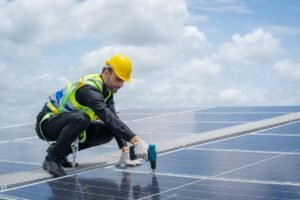
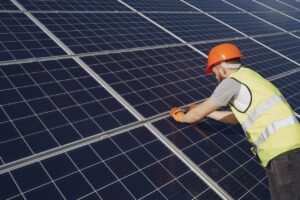
Installing solar panels is a relatively straightforward process. It starts with a consultation to assess your energy needs and the best system for your location. A professional installation team will then set up the panels, ensuring they are placed for maximum exposure to sunlight. Once installed, solar systems require minimal maintenance—regular inspections, cleaning, and occasional system checks to ensure everything is working optimally.
5. The Future of Solar Energy
The future of solar energy looks bright, with continuous advancements in technology making it more efficient and accessible. Innovations such as bifacial panels, which capture sunlight from both sides, and transparent solar panels for windows are paving the way for new applications. As the technology improves and costs continue to drop, solar power will play an even more significant role in our global energy landscape, helping us move closer to a sustainable, renewable-powered world.
Harnessing the power of the sun is not just an investment in reducing energy costs—it’s a commitment to a cleaner, brighter future. As we continue to innovate and expand the use of solar energy, it will become an integral part of our daily lives, providing reliable, sustainable power for generations to come.